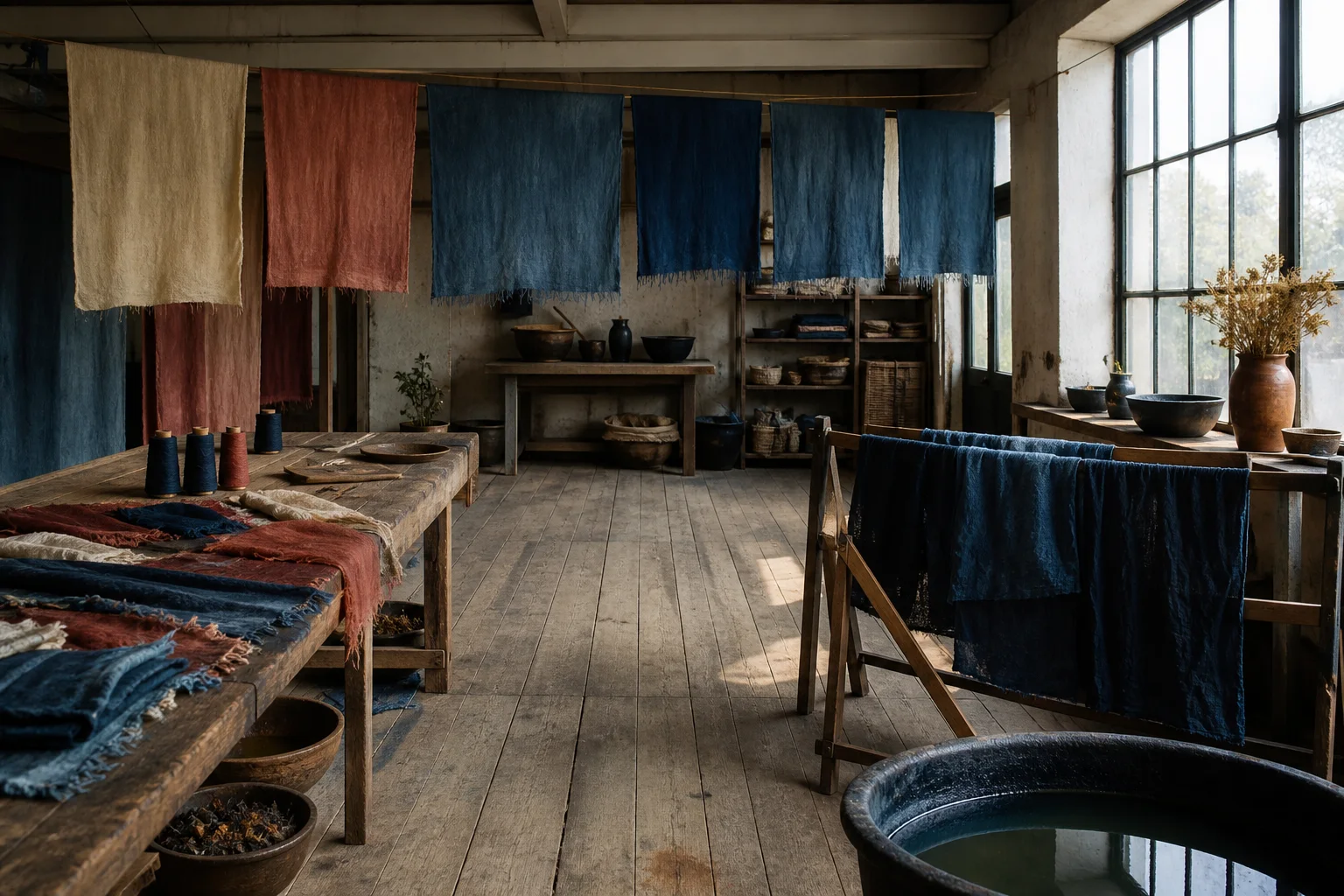
The publication starts with a question, then follows the source that can actually answer it. Archive paths recover themes; museum and conservation records support specific fields; editorial observation stays labelled as observation.
Source hierarchy
Archive records are used for URL and topic history, not copied prose or images. Collection APIs and object records support identity, materials, dates and rights. Conservation and safety sources support bounded decisions.
- Keep record IDs
- Store the rights wording
- Cite the field, not the whole source
Observation is not catalogue fact
A caption can say that a fold looks compressed or a stripe repeats. It cannot silently promote that cue into a confirmed process. Each index row carries an evidence grade and review date.
- State uncertainty
- Link the method
- Correct the row when a source changes